
Loading...
Loading...
We use cookies to keep this site running smoothly. See our privacy policy for details.
When businesses decide to build an offshore back-office team in the Philippines, the next question is usually which city. This comparison is written specifically for growing businesses building back-office teams of 2 to 20 staff.

The Philippines is one of the world's largest BPO markets, second only to India by revenue. Both Manila and Cebu are mature, well-established locations with decades of experience serving international clients.
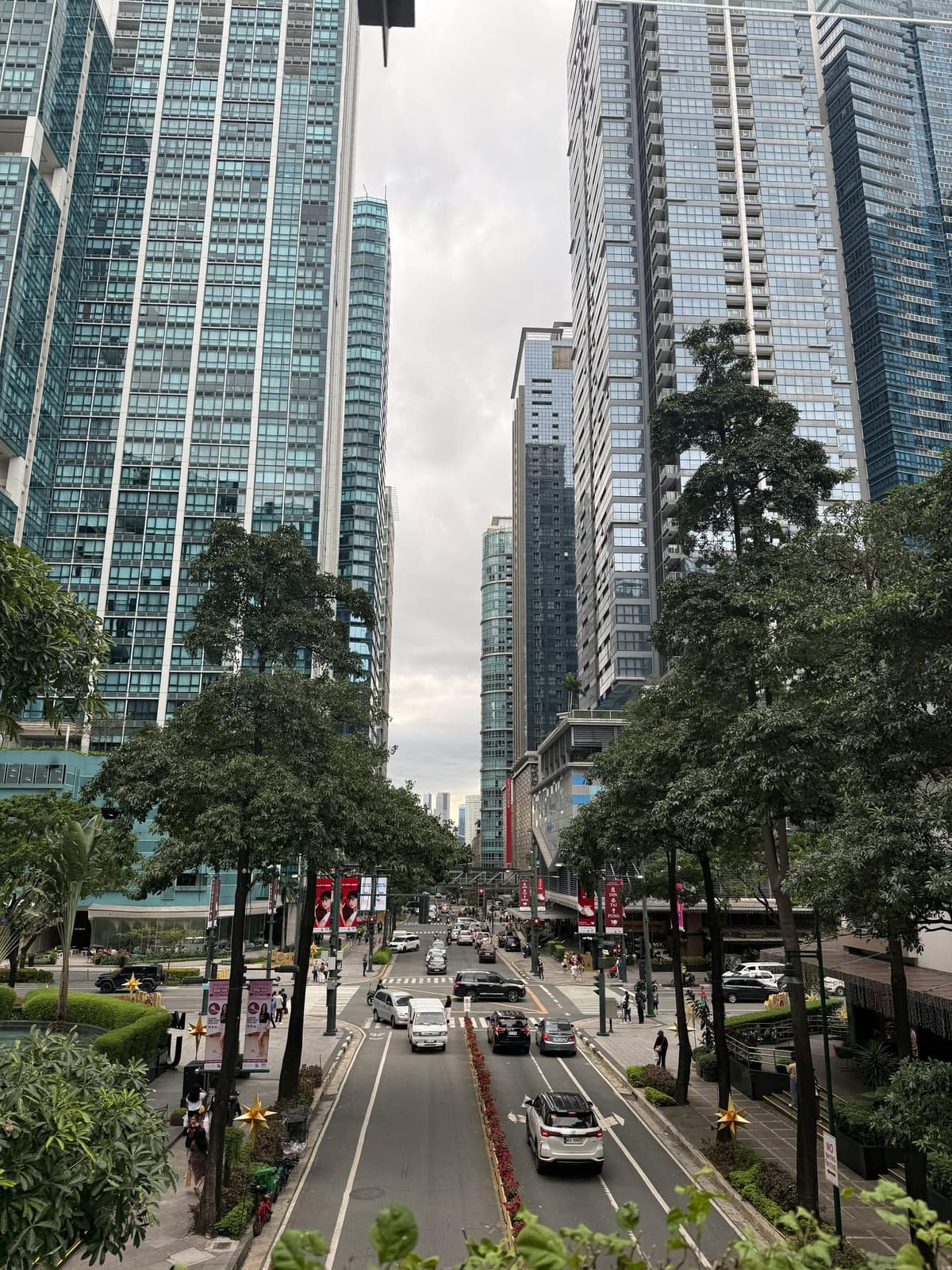
Metro Manila is the capital region and the largest BPO market in the Philippines. The main business districts for offshore operations are Bonifacio Global City (BGC), Makati, Ortigas and Eastwood. The workforce is large and internationally experienced. Most major global BPO providers operate from Manila. It is the first choice for enterprise-scale operations requiring hundreds of seats.
Manila is expensive, traffic is severe, staff attrition is high and competition for qualified professionals is intense. For a growing business hiring 5 accounts payable staff, the Manila BPO market is calibrated for a different kind of buyer.
Cebu is the second largest city in the Philippines and the economic centre of the Visayas. Cebu IT Park is a PEZA-registered technology park and the hub for BPO and professional services in the region. Cebu has been a significant BPO location since the 2000s and has an established pool of experienced accounting, finance, HR and admin professionals.
The operating environment is less competitive than Manila. Salary benchmarks are lower, traffic is manageable, staff retention is higher and the professional community is tighter-knit. For SME-scale back-office teams, Cebu is a better fit.
This table compares the two cities across the factors that matter most for businesses building small to mid-sized back-office teams.
| Factor | Cebu | Metro Manila |
|---|---|---|
| Cost environment | Lower cost of living. Salary benchmarks 10 to 20% lower than Manila for equivalent roles. | Higher cost of living in BGC and Makati. Salary expectations reflect the competitive market. |
| Talent pool and graduate output | Strong for back-office roles. 50,000+ graduates annually. Sufficient depth for SME-scale teams. | Largest talent pool in the Philippines. Better for specialist or large-volume hiring requirements. |
| Office infrastructure quality | Cebu IT Park offers modern buildings, redundant power and internet. On par with Manila business parks. | BGC and Makati have premium office infrastructure. Older business districts are more variable. |
| Traffic and commute | Manageable. Commute times within Cebu City are significantly shorter than Metro Manila. | Severe traffic is a well-documented problem. Long commutes affect staff energy, retention and punctuality. |
| Business continuity and disaster risk | Lower typhoon exposure than Manila. No flood risk comparable to Metro Manila's low-lying areas. | Higher flood and typhoon exposure in parts of Metro Manila. Some districts face annual disruption. |
| Staff retention rates | Higher retention. Less inter-employer movement. Professionals prefer to stay in Cebu. | Higher attrition, particularly in BPO roles. Competition between employers is intense. |
| Suitability for SME teams (2 to 20 staff) | Strong fit. The operating environment and professional community are well-suited to smaller dedicated teams. | Better suited to large enterprise operations. SME teams can find the market overly competitive. |
| Timezone | GMT+8. Aligned with Australian business hours, night shift available for US. | GMT+8. Aligned with Australian business hours, night shift available for US. |
There are specific situations where Manila is the right answer.
If a business needs to hire 50 or 100 back-office staff, Metro Manila's talent pool is larger. The sheer volume of experienced professionals available in BGC, Makati and Ortigas is greater than in Cebu. For enterprise-scale BPO operations, Manila's depth matters.
For senior finance professionals, specialist legal support roles or technology positions requiring specific certifications, Manila has a broader pool of candidates with international experience at large multinationals and BPO firms. Cebu can fill these roles, but the search may take longer.
Manila has the largest concentration of offshore service providers, technology vendors and support infrastructure in the Philippines. For businesses that want to work with a large established BPO company with hundreds of employees, Manila is where most of those providers operate from.
For growing businesses building dedicated back-office teams of 2 to 20 staff, Cebu consistently delivers better outcomes across the factors that matter most.
High staff attrition is one of the biggest operational risks in offshore staffing. When team members leave, you absorb the cost of re-recruitment, re-onboarding and the productivity loss while new staff get up to speed. Cebu's lower attrition rate means your team stays together longer.
Salary benchmarks in Cebu are lower than Manila for equivalent roles, reflecting the lower cost of living. This is not a quality discount. A qualified Cebu accountant with 3 years of experience costs less than an equivalent Manila accountant because accommodation, transport and daily living costs are lower in Cebu, not because the work is lower quality.
Metro Manila traffic is among the worst in Southeast Asia. For staff in BPO roles, a 2-hour daily commute each way is not unusual. This affects punctuality, energy levels and quality of life, and is a significant driver of attrition. Cebu commutes are shorter and more predictable.
Manila's BPO market is oriented towards large enterprise clients. Cebu-based operators who work with growing businesses understand the requirements of smaller, dedicated teams where each person is critical and personalised management matters.
Plus Back Office was built specifically for growing businesses. The decision to operate from Cebu IT Park rather than Manila was deliberate, based on the needs of the clients we serve.
Our clients are growing businesses with back-office teams of 2 to 15 staff. They need reliable people who stay for 2 to 3 years or more, not a high-attrition call centre workforce. They need competitive pricing, but they are not buying commodity volume seats. They need a professional office environment with security controls that let them handle client financial data confidently.
We also considered the practicalities of client visits. Cebu has an international airport with connections across the region. Clients can visit their team, run training or conduct performance reviews with ease. Read more about our Cebu IT Park delivery centre.
For growing businesses: Cebu is the stronger default choice
Lower costs, better retention, manageable commutes and a professional business environment calibrated for teams of 2 to 20 staff. This is why Plus Back Office operates exclusively from Cebu IT Park.
For SME-sized back-office teams of 2 to 20 staff, Cebu is generally the stronger choice. Lower cost of living means more competitive salaries for equivalent talent. Staff retention is higher, partly because Cebu professionals prefer staying in their home city rather than competing in the high-pressure Manila market.
Manila has the larger raw talent pool due to population size. Cebu produces over 50,000 graduates annually from institutions including the University of San Carlos and Cebu Institute of Technology. For back-office roles at SME scale, Cebu's talent pool is more than adequate.
Cebu typically has better staff retention for back-office roles. Metro Manila has a highly mobile workforce with significant competition between BPO employers, leading to higher attrition. Cebu professionals tend to stay with employers longer.
Cebu office and operational costs run approximately 10 to 20 percent lower than Manila for equivalent back-office roles. Salary expectations for experienced professionals are broadly comparable between the two cities, though Cebu salaries are slightly lower at junior levels.
Book a discovery call with Plus Back Office. We will scope your roles, walk you through the Cebu IT Park model and give you clear pricing for the team you need.